
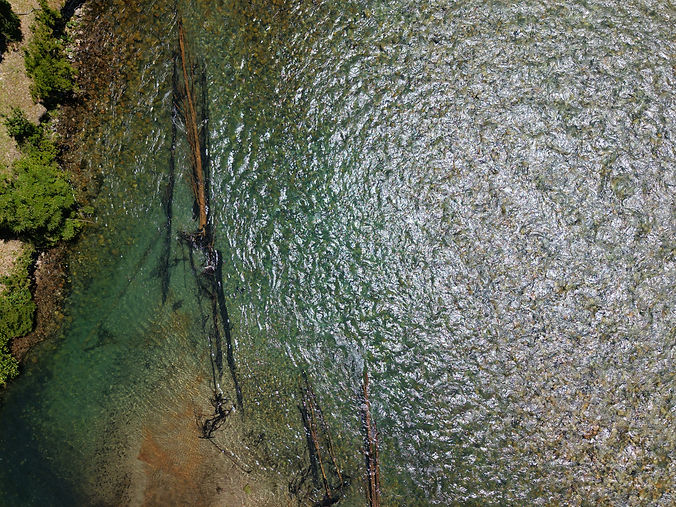
NON-THREATENING FLORA AND FAUNA
Patagonia, a vast and pristine region in southern South America, is unique for its rich biodiversity and remarkably safe environment for humans. Unlike other wild regions worldwide, Patagonia lacks dangerous predators or venomous species, making it an ideal destination for outdoor exploration. This article compares Patagonia’s flora and fauna with those of more hazardous regions like Africa, Australia, and Southeast Asia.
Flora: Rugged Yet Harmless
Patagonia’s landscapes range from windswept steppe to southern beech forests, supporting hardy but non-threatening plant life. Coirón grasses cover the plains, while the calafate shrub, known for its edible berries, is tied to local folklore. Trees such as the lenga, coigüe, and ñire thrive in high-altitude and forested areas, adding to the region’s striking scenery (Ministerio del Medio Ambiente, 2024). Unlike some tropical forests, Patagonia’s flora poses no danger to human visitors.
Fauna: Wild Yet Non-Threatening
Patagonia’s wildlife is fascinating yet harmless to humans. Guanacos, relatives of llamas, roam freely, and while pumas are the region’s top predators, they avoid human interaction. Magellanic penguins, Patagonian foxes, and Andean condors contribute to the region’s biodiversity without posing risks (Servicio Nacional de Áreas Protegidas, 2024). Compared to other continents, Patagonia lacks aggressive predators or venomous species.
Comparison with More Dangerous Regions
In contrast, Africa, Australia, and Southeast Asia harbor wildlife that poses real threats to humans:
• Africa: Lions, elephants, crocodiles, and venomous snakes like the black mamba make certain areas risky for human activity (National Geographic, 2024).
• Australia: Home to saltwater crocodiles, box jellyfish, and some of the world’s most venomous snakes and spiders (Australian Museum, 2024).
• Southeast Asia: Tigers, king cobras, and aggressive sun bears create a more hazardous environment for explorers (World Wildlife Fund, 2024).
Why Patagonia Stands Out
Unlike these regions, Patagonia has no venomous snakes, dangerous large mammals, or aggressive marine life, making it one of the safest wild destinations in the world. Its landscapes remain untamed yet inviting for adventurers seeking an immersive experience in nature without significant risks.
Sources:
• Ministerio del Medio Ambiente, Chile – Flora and Conservation
• Servicio Nacional de Áreas Protegidas, Chile – Wildlife and Protected Areas
• National Geographic – African Wildlife Hazards
• Australian Museum – Dangerous Species in Australia
• World Wildlife Fund (WWF) – Southeast Asian Wildlife